Keep the broken piece
Put it in milk and bring it in, even if it looks too small to bother with. Don’t scrub it or let it dry out. Sometimes your dentist can bond it back on.

You bit into something and felt a crunch that wasn’t the food. If there’s a piece of tooth in your hand, put it in a little milk and keep it. Chew on the other side, and ring us on (08) 9407 7888. We offer same-day assessment for broken teeth.
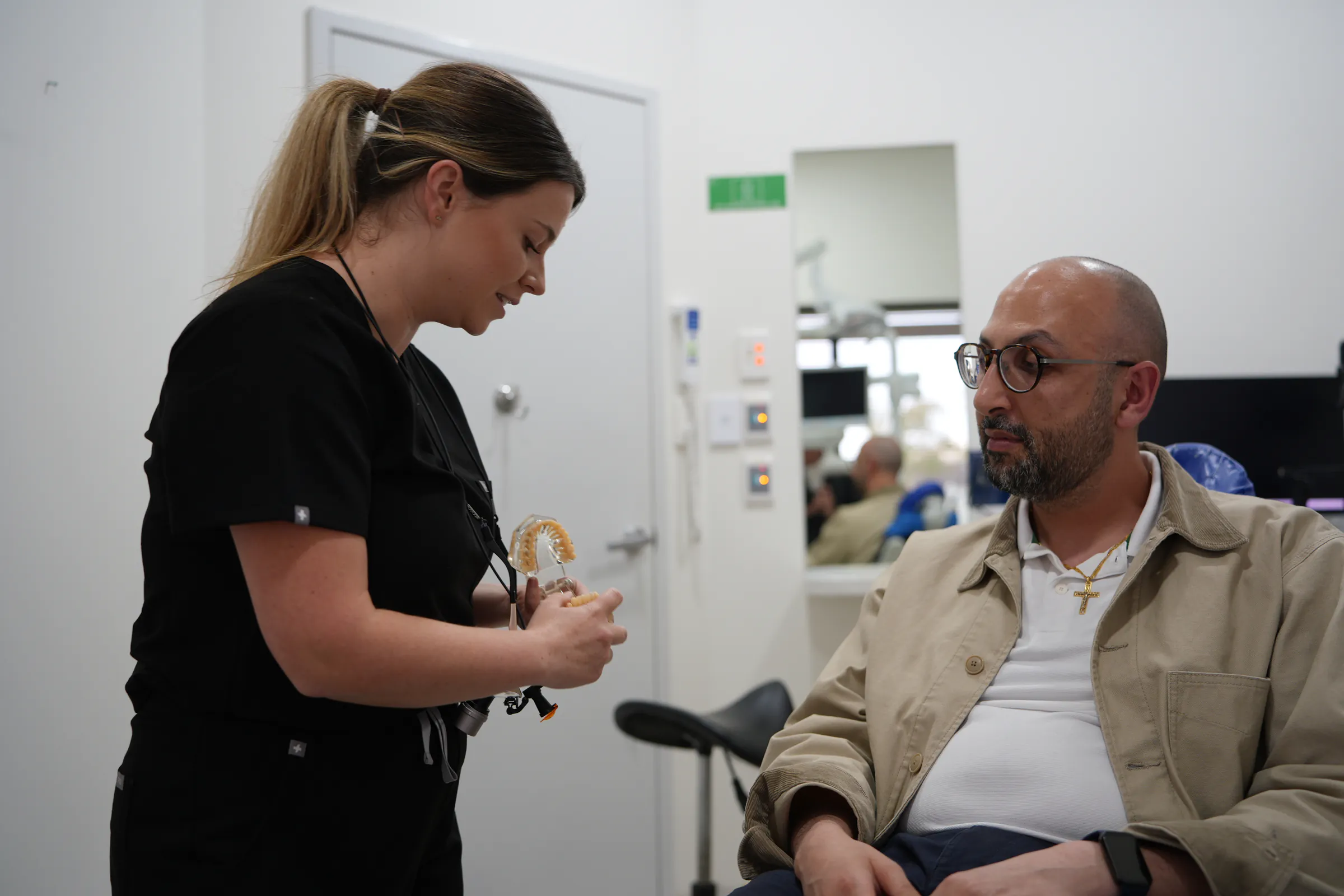
The bit you can see doesn’t show how deep the break goes. So treat the tooth gently, keep any pieces, and ring us.
Put it in milk and bring it in, even if it looks too small to bother with. Don’t scrub it or let it dry out. Sometimes your dentist can bond it back on.
Pain when you bite, a sharp zing with cold, a tooth that feels loose or a bite that suddenly feels wrong all mean we should see you sooner.
Smoothing, a filling, bonding, a crown, root canal treatment or removal each suit a different break. Your dentist checks how deep it goes first.
A quick look in the mirror helps. Say what broke it, what you can see, and how the tooth feels now, even if it barely hurts.
Roughly how big is it, is your tongue catching on it, and is the tooth sensitive? A chip that looks tiny can still need attention if it changes your bite.
The repair follows the break: how deep it goes, where it is and how much healthy tooth is left. Your dentist chooses after checking all three, not before.
If the break is small and the tooth is still strong, your dentist can smooth the edge or rebuild it with a tooth-coloured filling.
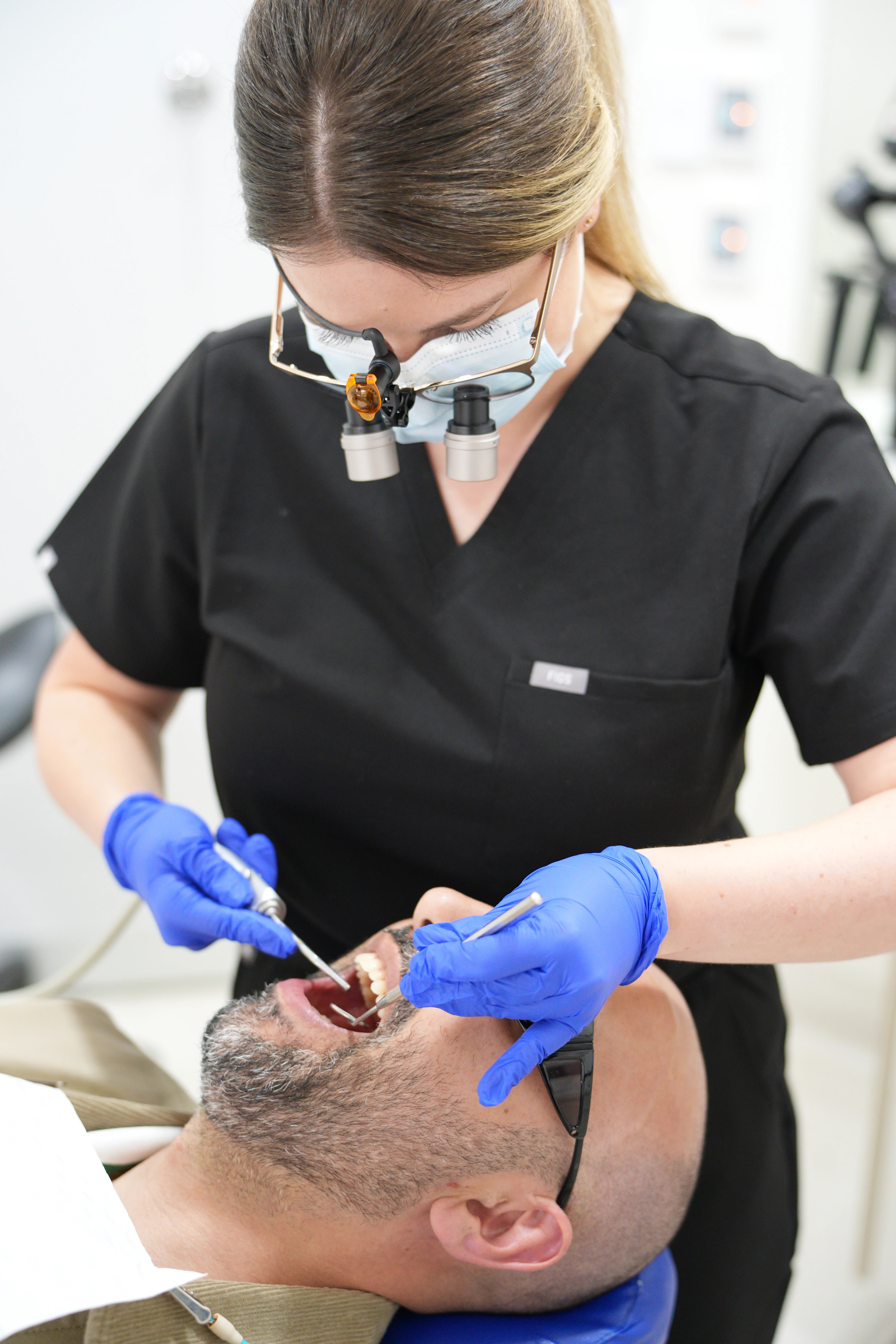
First we make the tooth comfortable and safe, then we look at the repair. If it’s sore, your dentist numbs it before working on it.
What you were eating or doing, whether there was a knock, and what pain, sensitivity or bleeding came after.
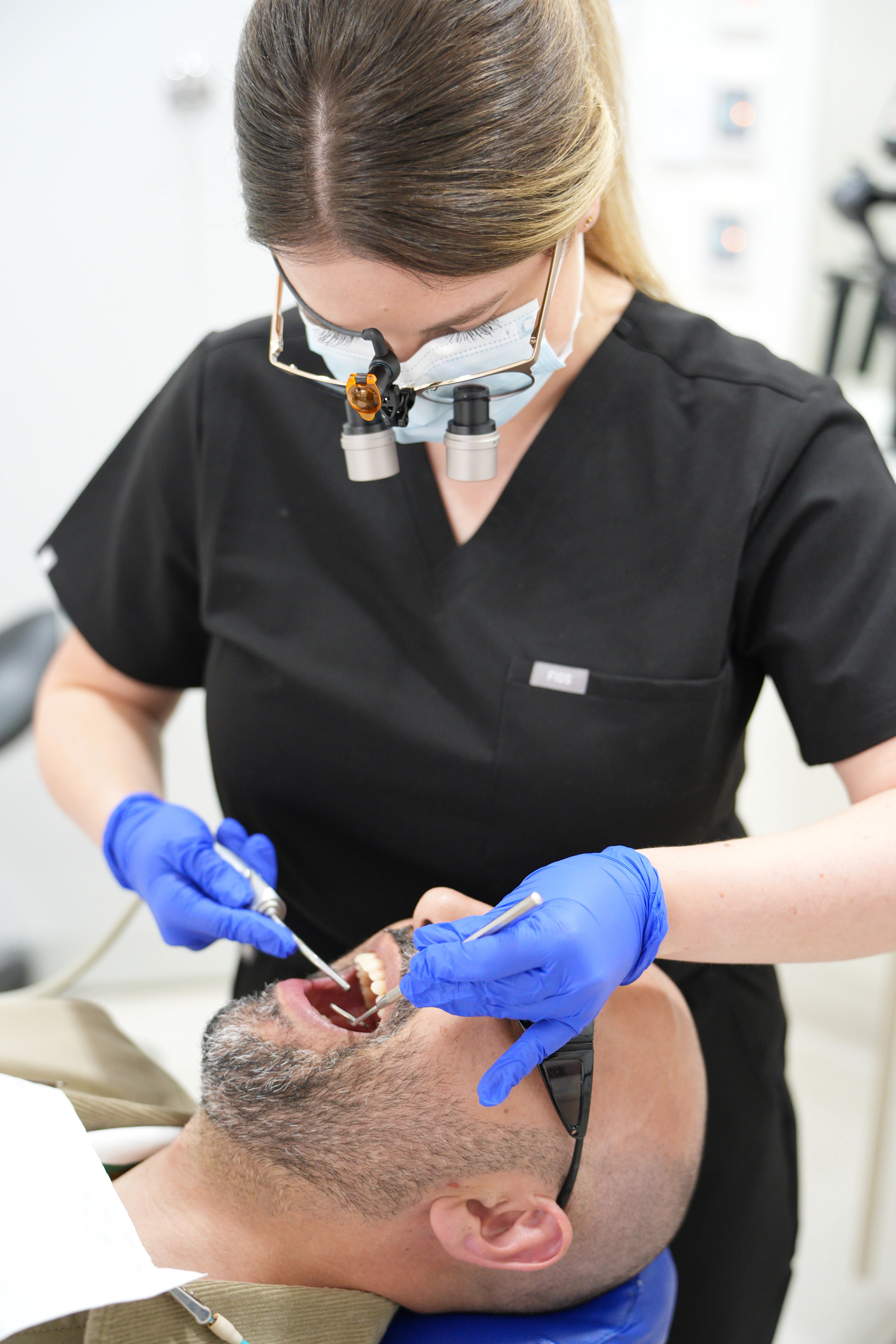
Your dentist looks at the break, what’s left, the teeth beside it, your gums and how your teeth meet, plus any cuts.
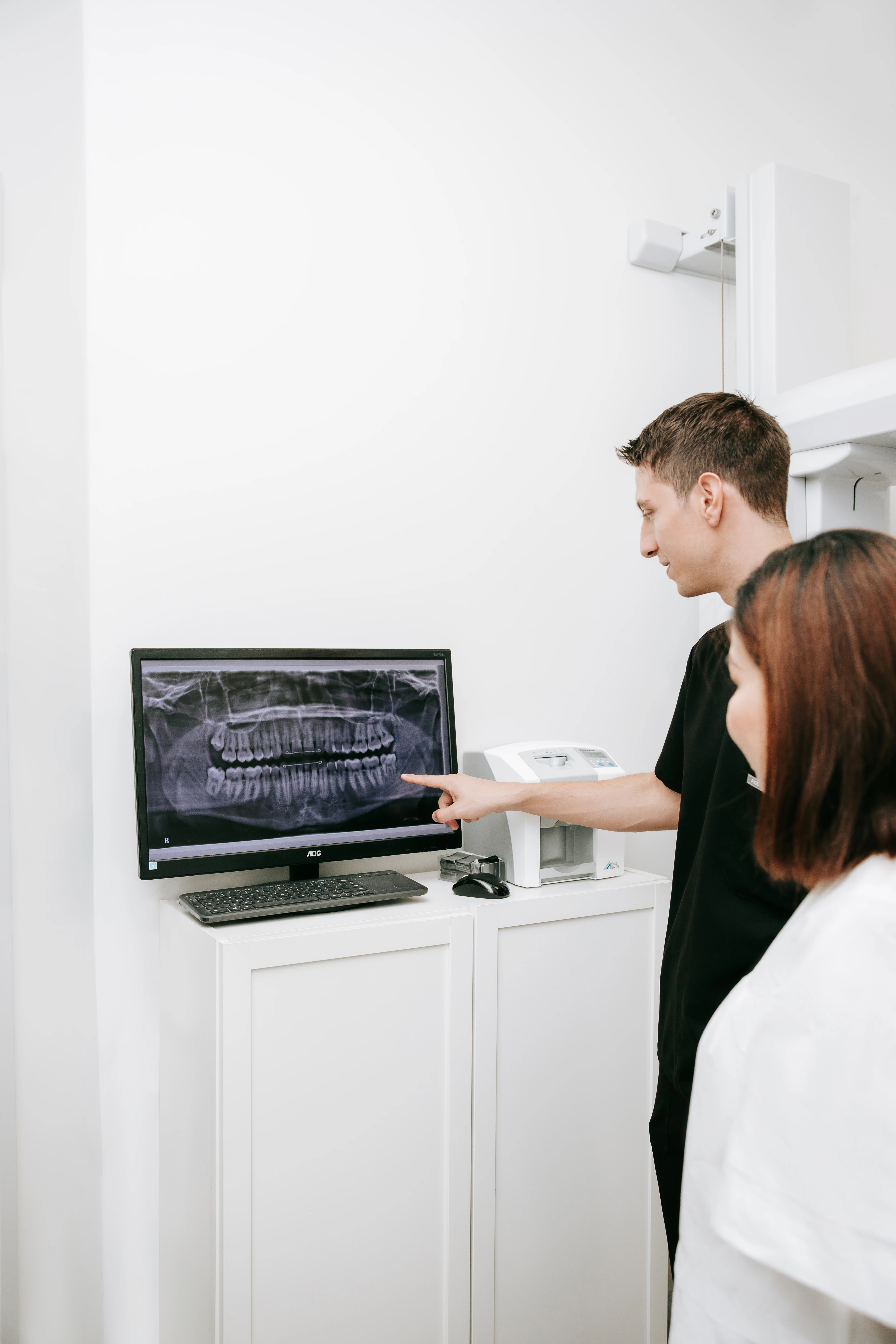
A crack below the gum line, or a root you can’t see, shows up on a digital X-ray.
A sharp edge can be smoothed or covered straight away. Then you’ll hear the repair options for this tooth, and what each would cost.
Go easy on a broken tooth until we’ve seen it. Once it’s repaired, follow the instructions for that repair.
Keep any piece in milk and bring it in. Chew on the other side and avoid hard food. If an edge is cutting your tongue, cover it with sugar-free gum or dental wax from the chemist. Don’t file it down or try to glue a piece back.
After the repair, ask what to eat and when to come back. Ring us if pain or sensitivity gets worse, the tooth feels loose, the repair comes away, or you notice swelling or a bad taste.
A head injury, fainting, trouble breathing, speaking or swallowing, or bleeding that won’t stop needs 000 or the nearest emergency department. For a broken tooth without any of those, ring (08) 9407 7888.
Only an examination shows how far a break goes. Bring the piece, describe what happened, and we’ll tell you what needs fixing now and what can be done later.
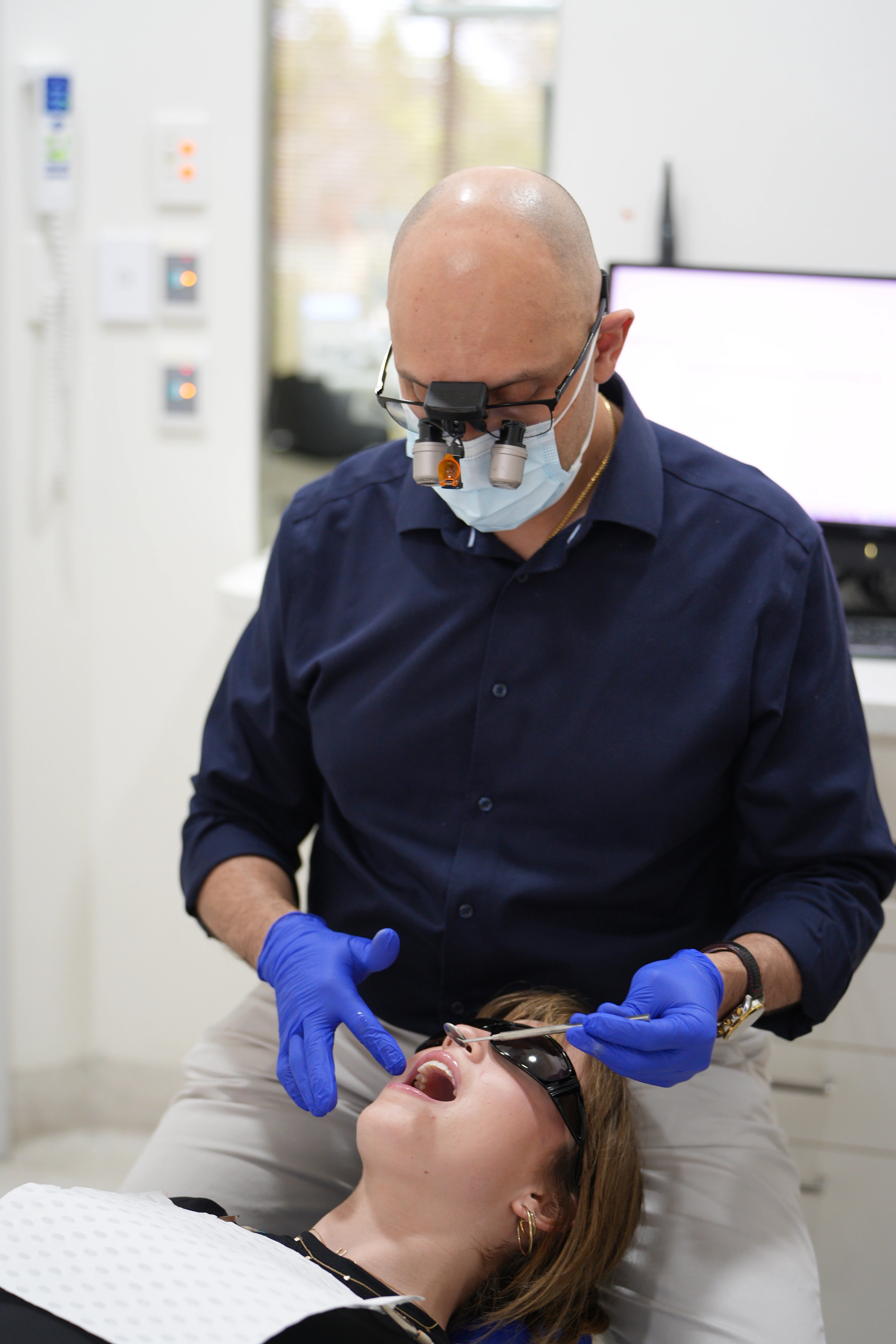
Ring or book online, and mention when it broke and whether it hurts, feels sensitive or has changed your bite. If it hurts, ring rather than book online.
Call (08) 9407 7888Book onlineBook with Book an Appointment or ring (08) 9407 7888. If the break came from a knock, say so when you call.
Smoothing a chip costs far less than a crown, so your dentist gives you the likely fees after the examination, before any repair starts. We accept private health fund claims; what you get back is set by your policy.
Monday to Thursday 8am–6pm, Friday 8am–5pm, Saturday 8am–1pm, and closed Sunday. If a tooth breaks after hours, ring (08) 9407 7888 for guidance, or call healthdirect on 1800 022 222.
The broken piece in milk, a list of your medicines and allergies, and the story of how it happened. First time with us? There’s a medical, dental and health fund form to fill in. Book online if it doesn’t hurt.
A broken tooth can come with a lost filling, a sore nerve or another injured tooth. Pick whichever sounds closest.
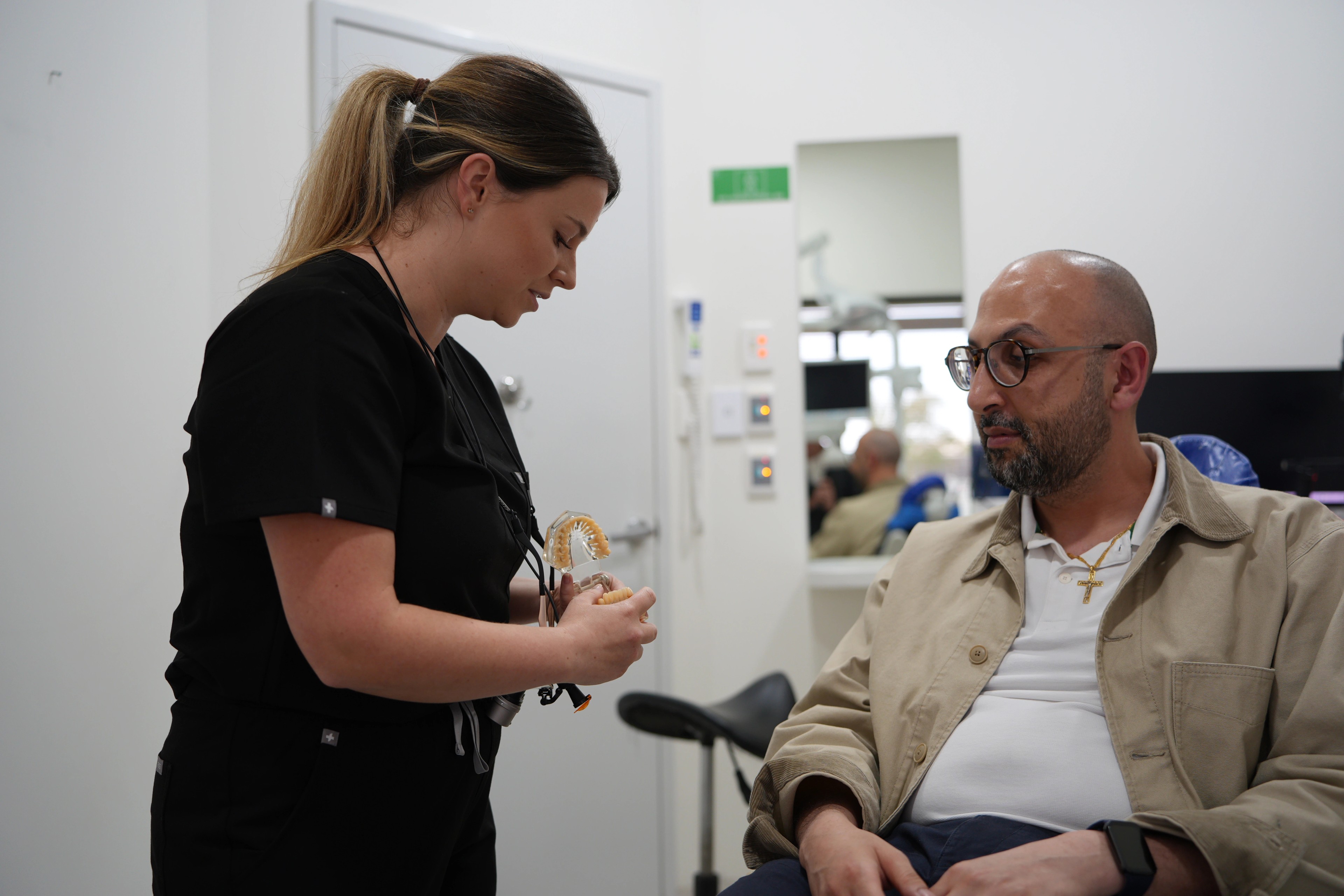

A chipped front tooth can look alarming in the mirror. These answers cover how urgent a break is, what to bring and how it gets fixed.
Not usually, if there’s no pain, swelling or sharp edge. It still needs checking, because a chip can hide a crack that runs deeper. A crack, pain when biting, a pink or bleeding centre, swelling or a changed bite needs seeing soon, so ring us.
It can mean the break has gone past the outer enamel, towards the nerve. Only an examination can tell for sure. Keep the area clean without scraping it, chew on the other side and ring us promptly.
Yes, please. Keep it in milk and bring it with you. Don’t scrub it or throw it out because it looks too small. Sometimes it can be used in the repair.
Not always. We take one when we need to see the root, the bone around it, how deep a crack goes, or an injury below the gum line. Our digital X-rays use less radiation than older film. Mention if you’re pregnant.
Often, when the break is small and enough healthy tooth is left. Bonding is usually a single visit and typically lasts 3–10 years. Your dentist checks the break and your bite before choosing between them.
When the break is large, the tooth is weakened, or the nerve has been reached. A crown takes two visits, because it’s made in a lab, with a temporary one in between. If the tooth can’t be kept, your dentist will show you why before suggesting removal.
The person comes before the tooth. Fainting or a serious head or face injury needs 000 or the nearest emergency department. Vomiting or growing dizziness after a knock needs urgent medical advice. Once you’re medically safe, ring us, and bring any piece of tooth in milk.
Rinse gently, chew on the other side, and press dental wax from the chemist over the edge if it’s catching your cheek or tongue. A pharmacy temporary filling kit can cover a hole for a short time, but it isn’t a repair, so follow the packet and use it only until we see you. Never use household glue.
That depends on the repair. Smoothing a chip is quick, bonding takes longer, and a crown involves lab work and two visits. Your dentist gives you the likely fees before starting, and our payment options page explains ways to spread a bigger bill over time.